
Fast Delivery
& FittingExpert Advice
& Tyre TipsMobile Van
ServiceWe Value Your Feedback

We hope you had a great experience with us!
Your feedback helps us improve our services and assists other customers in making the right choice.
If you’re satisfied with our service, please take a moment to share your experience on our Google Business profile. It only takes a minute and means a lot to us.
How Tyre Pressure Affects Fuel Efficiency – Especially in Gulf Countries
Mar 4, 2026
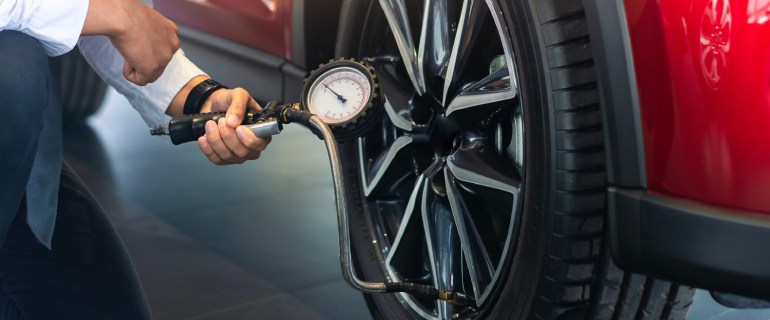
Many drivers focus on fuel prices, but few think about tyre pressure. In reality, tyre pressure plays a significant role in how much fuel your car consumes.
When your tyres are low on air, they become softer and create more drag on the road. This forces the engine to work much harder just to keep the car moving, which naturally burns more fuel. Even slightly low tyre pressure can increase fuel consumption without you noticing.
In Gulf countries like Bahrain, Saudi Arabia, and United Arab Emirates, temperatures can be very high. Heat causes tyre pressure to change throughout the day. Pressure can rise in the heat and drop when the tyres cool down at night or in indoor parking. Because of this, drivers may unknowingly drive with the wrong tyre pressure.
Driving with low tyre pressure does more than just waste fuel. It also shortens tyre lifespan and reduces vehicle stability, especially at higher speeds.
To ensure a safer and more fuel-efficient drive, consider these tips
- Check tyres when cold: Tyres heat up while driving, which can give false pressure readings. Check them in the morning or before the car has been used.
- Follow manufacturer recommendations Your car manual or the sticker inside the driver’s door shows the correct pressure. Don’t guess.
- Don’t forget the spare: Many people overlook the spare tyre, but it should also be properly inflated.
- Watch for damage: Cuts, bulges, or uneven wear can affect fuel efficiency and safety. Replace tyres when needed.
- Rotate tyres regularly: This ensures even wear, better handling, and consistent fuel efficiency.
A few minutes of care each month can help ensure every drive is safer.
Have you checked your tyre pressure this month?
Recent Post
-
 Mar 25, 2026
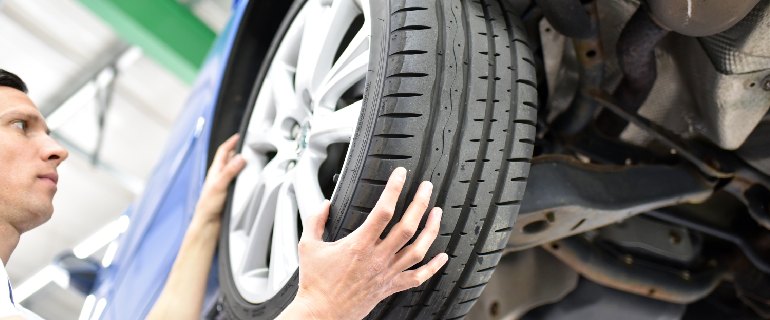
How to Choose the Right Tyres for Bahrain’s Climate
-
-
 Feb 4, 2026
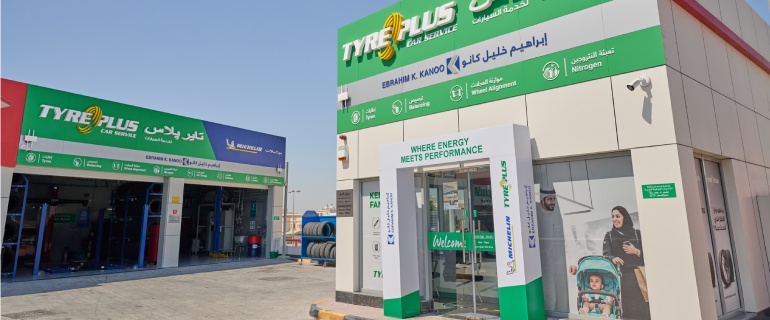
TYREPLUS is Now Closer to You